

For Kiwis looking to seriously upgrade their sleep, switching to a memory foam bed in NZ is more than just swapping out old springs. It's a smart move towards deeper, more restorative rest that perfectly aligns with our growing focus on health and well-being.
Why Memory Foam Is a Game Changer for Kiwis
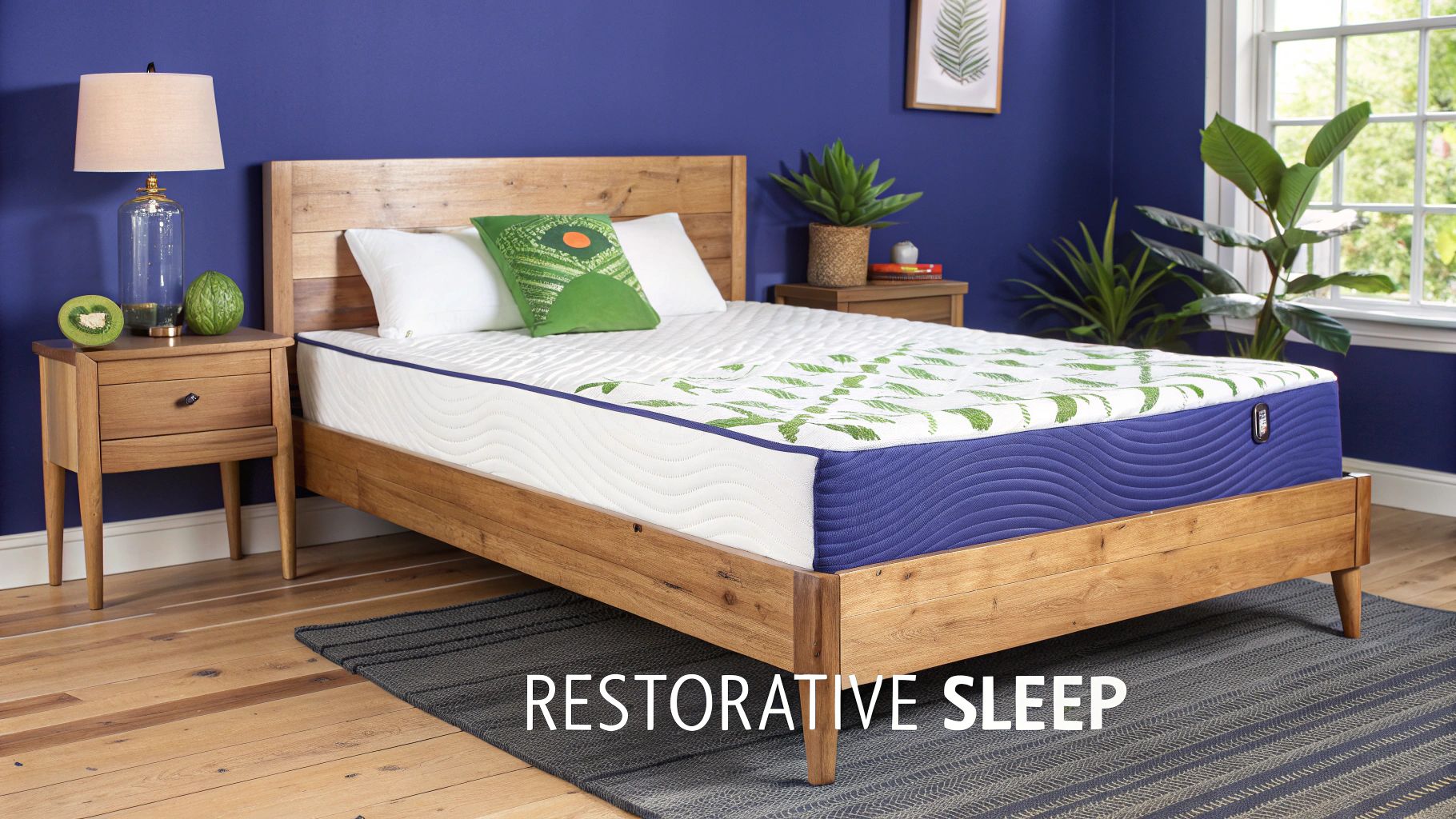
It seems like everywhere you look, New Zealanders are ditching their old bouncy mattresses for the unique, contouring feel of memory foam. This isn't just a trend; it’s a sign that we want sleep solutions that genuinely improve our health and set us up for a high-energy day.
Think of it this way: a memory foam mattress is like getting a custom-moulded cradle for your body every single night. Whether you've spent the day at the office, smashing it at the gym, or hiking one of our beautiful trails, your body needs proper recovery. Memory foam’s magic lies in its ability to adapt perfectly to your shape, giving you support and relief exactly where you need it most.
The Key Advantages for a Better Night's Sleep
This growing appreciation for smart, ergonomic design is shaking up the mattress market here in New Zealand. Projections point to some serious growth—an expected compound annual growth rate of about 6.43% between 2023 and 2027. This boom is fuelled by people like you demanding beds that actually improve their sleep quality. You can dive deeper into these mattress market trends to see just how much consumer habits are changing.
So, what’s all the fuss about? Here’s what makes these beds so popular:
- Exceptional Pressure Relief: Memory foam distributes your body weight evenly, taking the pressure off key points like hips, shoulders, and knees. It's a lifesaver for side sleepers or anyone dealing with achy joints.
- Proper Spinal Alignment: By moulding to your body's natural curves, the foam helps keep your spine in a neutral, healthy position all night long. This can be a huge help in preventing or reducing back pain.
- Motion Isolation: This is a big one if you share a bed. Memory foam is incredible at absorbing movement. When your partner rolls over or gets up, you barely feel a thing, leading to a much more peaceful night for both of you.
At the end of the day, choosing a memory foam bed is an investment in your well-being. It’s about waking up feeling refreshed and ready to tackle whatever comes your way, instead of feeling stiff and sore from a mattress that’s fought your body all night.
How Memory Foam Actually Cradles Your Body
Ever wondered what makes a memory foam mattress feel so different from the bouncy spring mattresses you might be used to? The secret isn't magic, it's a unique property called viscoelasticity. But let's skip the dense science.
Imagine pressing your hand into a ball of fresh dough. When you lift your hand, it doesn't spring back instantly. Instead, the impression lingers for a moment before the dough slowly rises back to its original shape. That's a perfect picture of how memory foam works. It doesn’t bounce; it yields and adapts under pressure.
This slow, deliberate response allows the material to perfectly contour to your body. Using your own body heat and weight, the foam softens and moulds around every curve and dip, delivering personalised support that feels like it was made just for you. This unique cradling effect is the key to its famous comfort.
The Science of Comfort and Coolness
So, how does that translate into a better night’s sleep? It comes down to how the foam distributes your weight so evenly. This dramatically reduces the strain on your body’s main pressure points—think hips, shoulders, and knees. For anyone who wakes up feeling stiff or sore, this can be a total game-changer.
Now, early memory foam had a bit of a reputation for sleeping hot. That was a fair point, as the original dense foams could trap heat. Thankfully, the memory foam beds you'll find in NZ today have solved this problem with open-cell structures and other cooling technologies.
Think of it like the difference between a dense mud cake and a light, airy sponge cake. The interconnected air pockets in an open-cell design allow air to circulate freely through the mattress, wicking away heat and moisture. The result? You stay cool and comfortable all night long.
This infographic breaks down some of the key performance stats you'll see with modern memory foam.
As you can see, it's the combination of serious pressure reduction and fantastic airflow that creates a sleep surface that is both deeply supportive and refreshingly breathable.
Finding Your Perfect Feel
This body-hugging ability is closely tied to the mattress's firmness level, which plays a massive role in keeping your spine aligned and ensuring you’re comfortable. Different firmness levels will interact with your body weight and favourite sleeping position in different ways.
A great memory foam bed doesn't just feel good—it actively works with your body to promote a healthier sleep posture. It's this intelligent, adaptive support that truly sets it apart from other types of mattresses.
Getting your head around how foam density and firmness affect your sleep is a crucial step in choosing the right bed. To dive deeper and figure out what’s best for you, learn more about why mattress firmness matters in our detailed guide and find your perfect match.
What This Means for Your Sleep and Health in the Real World
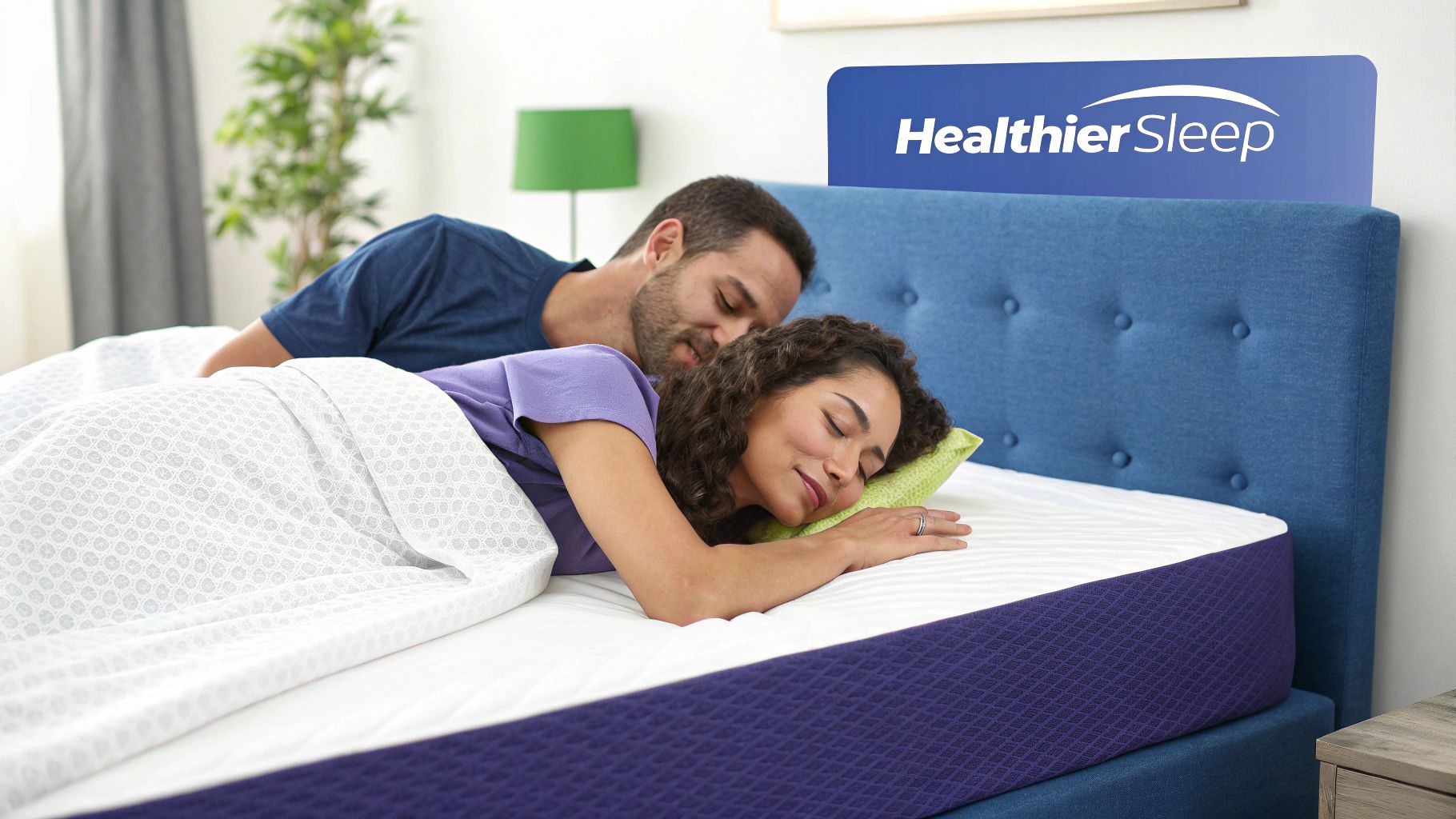
It’s one thing to understand the science, but it’s another to feel the difference a great mattress makes in your everyday life. The way a memory foam bed contours to your body isn't just a clever feature; it translates into real benefits you’ll feel from the moment you wake up.
These aren't just slabs of foam. They’re engineered to tackle the most common sleep problems Kiwis face, going beyond basic comfort to deliver genuinely restorative rest. Think of it as an investment in your energy levels, your mood, and your long-term health.
Say Goodbye to Aches and Pains with Superior Pressure Relief
If you're a side sleeper, you know the feeling—waking up with a sore shoulder or aching hip from a mattress that fights back. Traditional spring mattresses can create sharp, uncomfortable pressure points.
Memory foam works on a completely different principle. It yields to your heavier areas like shoulders and hips, cradling them while distributing your weight evenly across the entire surface.
It's the difference between your mattress working against you and working for you. This gentle cushioning effect dramatically reduces the stress on your joints, allowing your muscles to finally relax and recover properly overnight.
Healthy Spinal Alignment and Proper Back Support
Keeping your spine in a neutral position while you sleep is absolutely crucial for preventing—and easing—back pain. This is where memory foam really excels. It adapts to your body's unique curves, filling in the gap under your lower back and supporting your neck just right.
This tailored support helps keep your spine properly aligned, whether you sleep on your back, side, or a bit of both. For many New Zealanders dealing with nagging back issues, this feature alone is a game-changer. The unique ability to relieve pressure while maintaining spinal alignment is a key reason why so many people are making the switch. In fact, the growing demand for mattresses that promote restorative sleep is a major driver in the global memory foam mattress market.
If you’re specifically struggling with discomfort, finding the right mattress is key. We've put together a guide on choosing the best mattress for back pain in NZ that offers more in-depth advice.
Undisturbed Sleep Thanks to Motion Isolation
Is your partner's tossing and turning ruining your night? This is where memory foam truly shines. Its dense, energy-absorbing structure means movement on one side of the bed is barely felt on the other. You can see this in action the moment someone gets in or out of bed.
- No More Bouncing: Traditional springs often send a wave of motion across the bed. Memory foam absorbs and isolates that movement right where it happens.
- Deeper Sleep Cycles: By minimising these disturbances, you're more likely to stay in the deeper, more restorative stages of sleep for longer.
- A Lifesaver for Couples: It's the perfect solution for couples with different sleep schedules or for anyone who is a particularly light sleeper.
This means you can finally sleep soundly through the night, even if your partner is having a restless one. For countless couples across NZ, this single benefit has been a total game-changer for their sleep quality.
How to Choose the Right Memory Foam Bed in NZ
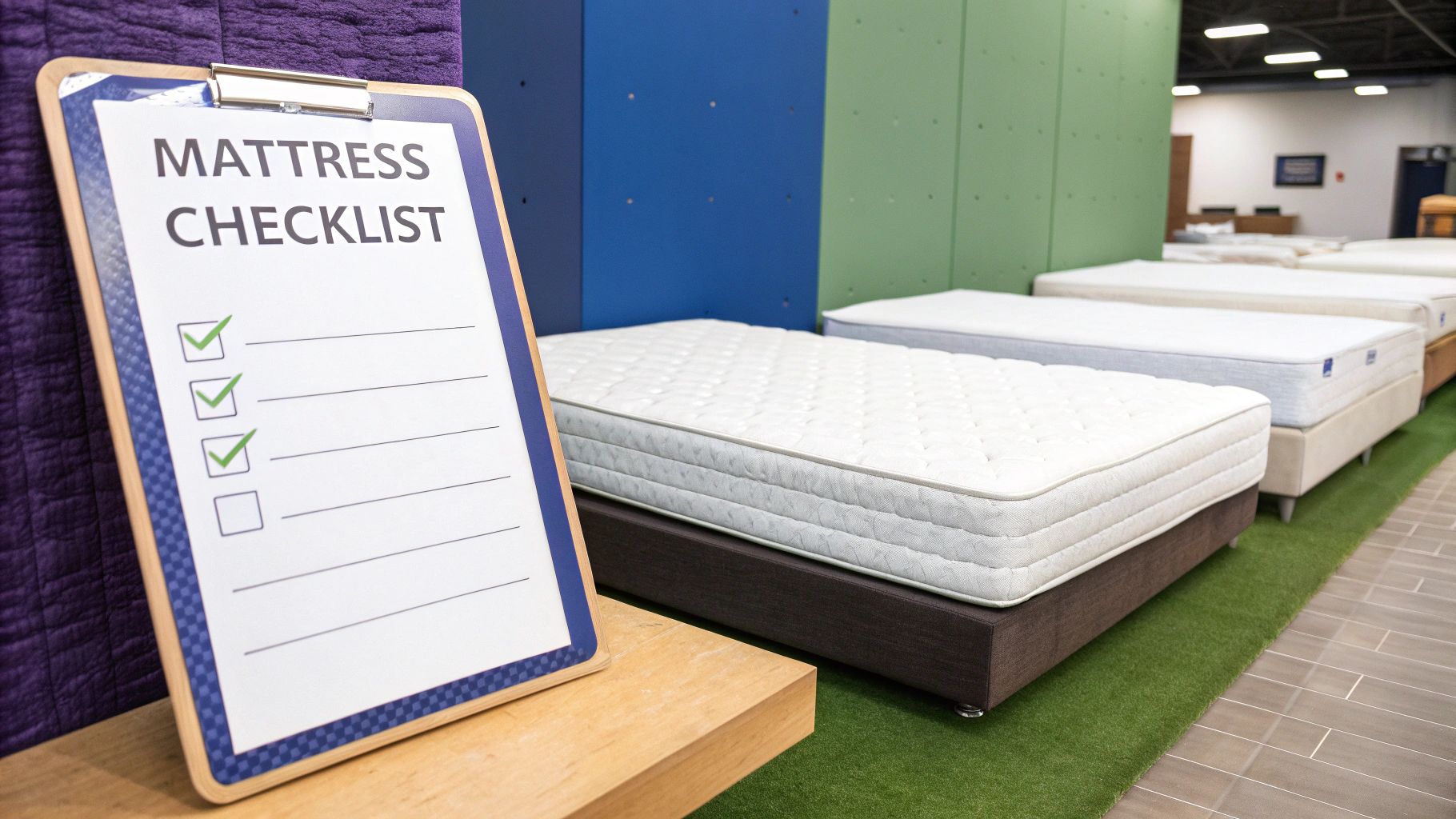
Feeling a bit overwhelmed by all the mattress options out there? You’re not alone. The good news is that choosing the right memory foam bed in NZ doesn't have to be a headache. With a bit of know-how, you can confidently pick a bed that’s genuinely right for you.
The first step is about you and how you sleep. The perfect firmness for your mattress comes down to your favourite sleeping position, because that’s what dictates where your body needs the most support and cushioning. Get this right, and you're well on your way to a brilliant night's sleep.
Match Firmness to Your Sleep Position
Think of firmness as the amount of "push-back" a mattress gives you. The goal is to keep your spine in a straight, neutral line. Different sleeping styles need different levels of support to make that happen.
- Side Sleepers: You’ll likely want a softer feel—something in the soft to medium range. This lets the foam mould around your shoulders and hips, taking the pressure off those key joints while still propping up your waist.
- Back Sleepers: A medium to medium-firm mattress is usually the sweet spot. It’s got enough grunt to prevent your hips from sinking too low (which keeps your spine aligned) but still has enough give to feel comfortable.
- Stomach Sleepers: You’ll probably need a firm mattress. This is vital for keeping your hips elevated and preventing your spine from dipping into an unnatural curve, which is a fast track to lower back pain.
Demystifying Mattress Layers and Thickness
Firmness is only part of the story. The way a mattress is built—its internal layers—has a massive impact on how it feels. Most memory foam beds aren't just one big block of foam; they're cleverly engineered with multiple layers, each with a specific job.
A common setup includes a dense, supportive base layer for durability, a transitional layer in the middle for balance, and a plush comfort layer of memory foam on top. The overall thickness, usually between 20cm to 30cm, also changes the feel. A thicker mattress often gives you a more luxurious, deeply cushioned sensation.
The secret to a great memory foam bed is how the layers work together. You're looking for that perfect blend of pressure relief and spinal support—that's what creates the signature "cradled" feeling without you disappearing into the mattress.
Navigating the NZ Buying Essentials
Once you're ready to start shopping, a few key things specific to buying in New Zealand can protect your investment and give you peace of mind. Think of these as the non-negotiables that sort the good retailers from the great ones.
Keep an eye out for these markers of quality and customer service:
- Sleep Trials: Any reputable brand in NZ will offer a sleep trial, usually from 30 to 120 nights. This gives you the chance to properly test the mattress at home and make sure it’s a perfect match.
- Warranties: A 10-year warranty is a standard sign that the mattress is built to last. Make sure to read the fine print so you know exactly what’s covered.
- Certifications: Look for the CertiPUR-US® seal. This is your guarantee that the foam is made without nasty chemicals and has low VOC emissions, making it a safer choice for your home and family.
Taking a moment to check these details ensures your new memory foam bed isn't just comfy, but also a safe and solid investment. For an even deeper dive, have a look at this fantastic guide on how to choose the perfect mattress in New Zealand for more expert advice.
Shopping Online vs In-Store for Your Mattress
Deciding where to buy your new memory foam mattress is a huge part of the process. Here in New Zealand, you're looking at two main paths: the digital convenience of online 'bed-in-a-box' brands or the traditional, hands-on experience of a brick-and-mortar showroom.
Neither is right or wrong; it all boils down to what kind of shopper you are.
The rise of online shopping has certainly shaken up how Kiwis buy big-ticket items like beds. It's a shift largely driven by younger consumers—an incredible 71% of online mattress buyers are between the ages of 18 and 35. This really shows the impact of the direct-to-consumer model. You can get a deeper look into these changes by exploring data on New Zealand's furniture market trends.
The Case for Buying Online
There’s a lot to love about buying a mattress from your couch. Because online-only retailers don't have the massive overheads of a physical store, they can often pass those savings directly on to you. It's a great way to find a high-quality mattress for a sharper price.
You also get to dodge the high-pressure sales floor and do your own research at your own pace.
But the real game-changer is the in-home sleep trial. Most online brands give you a generous trial period, often around 100 nights, to actually sleep on the mattress in your own home. This is a risk-free way to find out if it's the right fit—something a quick, ten-minute lie-down in a bright showroom could never match.
The Value of the In-Store Experience
On the flip side, you can't beat the immediate feedback of trying before you buy. Heading into a showroom lets you physically lie down on different models and feel the subtle differences between soft, medium, and firm options right there and then.
Being able to feel the difference for yourself is invaluable. It takes the guesswork out of the equation and lets you make a confident choice based on immediate comfort, backed by face-to-face advice from people who know their stuff.
This hands-on approach is perfect if you’re wary of making such an important purchase sight unseen. If you'd rather test things out first, you can easily find your nearest mattress store and feel our range for yourself.
Ultimately, both options have their merits. The best choice depends on what you value more: the convenience and trial period of shopping online, or the certainty and expert guidance you get from an in-store visit.
Making Your New Mattress Last
A great mattress is a real investment, so it's worth taking a few simple steps to look after it. With a little care, your memory foam bed will give you that cloud-like comfort for years to come.
When you first unbox your mattress, you might notice a slight "new mattress smell." This is just off-gassing—a harmless release of gases trapped during manufacturing. Don't worry, it's completely normal. Just let the mattress air out in a well-ventilated room for a day or two, and the scent will fade.
The Right Foundation is Key
What you put your mattress on matters. A lot. The right base provides the solid, even support your memory foam needs to perform at its best and prevent premature sagging.
- Solid Support: Look for a slatted base where the slats are no more than 7cm apart. A solid platform base is also an excellent choice.
- Ditch the Old Base: Tempting as it might be, putting a brand-new mattress on a worn-out, dipping base is a recipe for disaster. It can cause uneven wear and might even void your warranty.
Your bed base is like the foundation of your house. If the foundation is weak or uneven, the whole house suffers. It’s the same with your mattress—a solid base is absolutely essential for long-term comfort.
Simple Care for a Long Life
Keeping your mattress in top shape doesn't take much effort. Because memory foam mattresses are built with specific comfort layers on top, you should never flip them over.
Instead, simply rotate it 180 degrees every three to six months. This little ritual ensures everything wears evenly, preventing dips and keeping that "brand new" feel for longer.
And here's the number one tip we give everyone: use a quality waterproof mattress protector from day one. It's the best defence against spills, sweat, dust mites, and allergens, keeping your mattress clean and hygienic. If an accident does happen, our guide on cleaning a mattress has all the steps you need.
Still Have a Few Questions?
Choosing a new mattress is a big decision, so it's natural to have some questions. Let's tackle some of the most common queries we hear from Kiwis trying to decide if memory foam is right for them.
"Aren't Memory Foam Beds Hot?"
That's a myth that stems from first-generation memory foam. The technology has come a long way since then. Early models could trap heat, but today's memory foam mattresses in NZ are designed for temperature control.
Look for beds with an ‘open-cell’ structure, which means the foam has tiny air pockets that let air circulate. Many also feature gel infusions or even graphite particles in the top layers, which actively pull heat away from your body. The result is a cool, comfortable sleep, even on a warm night.
"How Long Will It Actually Last?"
You can expect a good quality memory foam mattress to see you through 7 to 10 years of great sleep, sometimes even longer if you look after it. The key here is density – higher-density foams are tougher and more resilient, meaning they'll stand up to years of use.
A simple way to gauge a mattress's lifespan is to check the warranty. Most reputable New Zealand brands will back their products with a 10-year warranty, which is a strong signal that they've built the mattress to last.
"What If I Buy It Online and Hate It?"
That's a fair concern, and it's why almost every online mattress company in New Zealand offers a risk-free trial period. These trials give you anywhere from 30 to 120 nights to actually sleep on the mattress in your own home.
This gives you more than enough time to decide if it’s the perfect fit. If you find it’s not for you, the company will arrange to pick it up – often for free – and give you a full refund. They usually donate the returned mattresses to a local charity, so you can make your decision with complete peace of mind.
Ready to experience the difference a quality mattress can make? Explore the full range of supportive and comfortable beds at New Zealand Bed Company and find your perfect night's sleep today. Visit us at https://nzbeds.co.nz.